Ralph Waldo Emerson, Rum Punch, and Martinican Music

Ti Punch (or rum punch…I mean Rhum punch)
My second novel, To Catch a Traitor, takes place on the island of Martinique. There are so many fascinating things about Martinican culture; this month, I share a couple of them.
There’s also a little bit about my world.
Hope you like it…
BTW, my first novel, To Catch a Spy, is now an Amazon bestseller. It can be ordered from Amazon or Barnes & Noble.
Martinican Culture
Chouval Bwa Music
Chouval Bwa is Martinican folk entertainment, consisting of singers, musicians, and dancers.
The literal translation of chouval bwa is a merry-go-round. More specifically, the wooden horses on those rides (the whole merry-go-round shebang originated in the 12th century as a knight training tool, believe it or not).
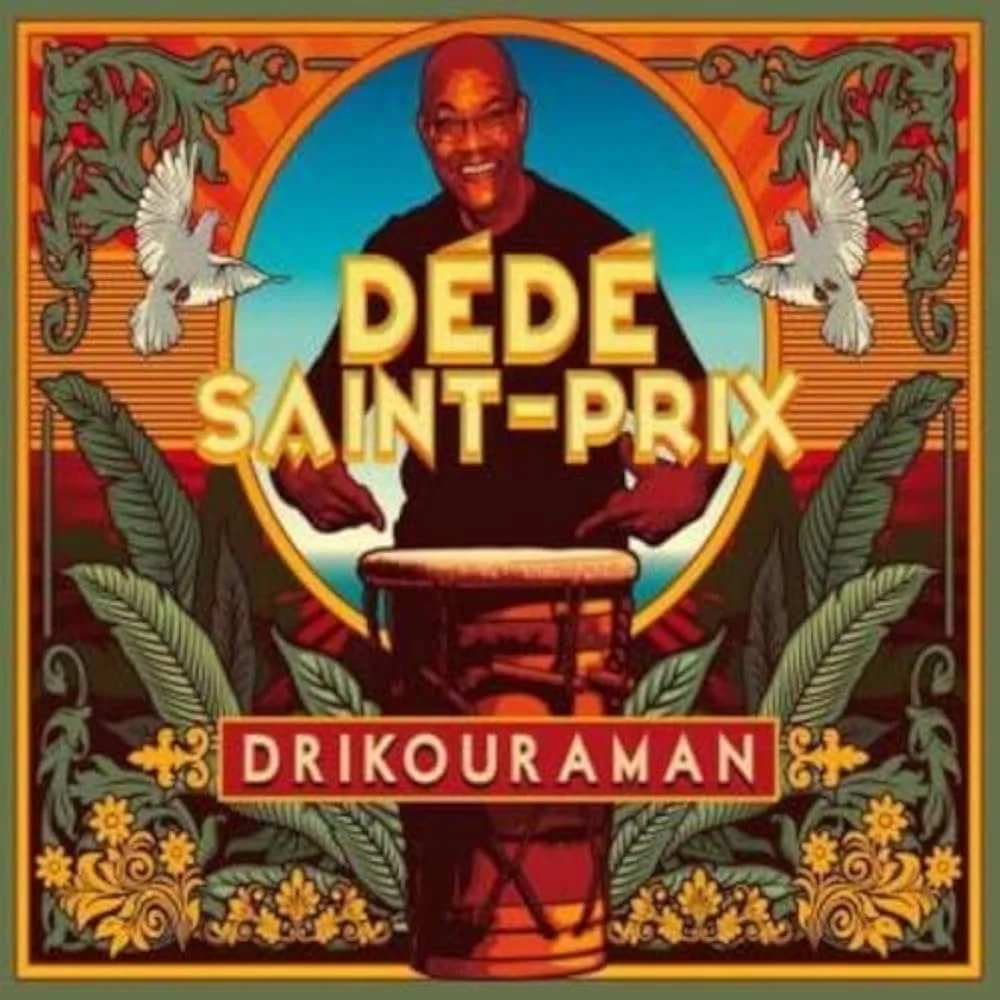
A Chouval Bwa Legend
Anyway, chouval bwa developed a definite structure.
First, there’s the lead singer (the caller), followed by the choir (the answer). This pattern is repeated throughout the song. Then there’s a keyboard-like drummer who sets the pace, and that’s followed by percussion from a giant drum. After the big drum comes a smaller drum, and that’s when the dancers join the stage.
It’s a fully integrated experience, and when you think about its origins, chouval bwa is very inclusive. If you sang, you had a role. Same if you played an instrument. And if dancing was your thing, you were also in.
That’s the original structure of chouval bwa, but in more modern times, the name has become synonymous with the music.
So let’s focus on the music for a moment. Central to the sound is a giant drum laid on its side. It’s a tambour drum; think tambourine, but with a long body. People straddle it and play it like a fallen bongo for the most part; sometimes they use drumsticks. It’s called a bèlè, just so you know.
Then there’s something called the tibwa, which is very similar to a keyboard percussion instrument. Just swap out the keyboard with a piece of bamboo, and play it with a couple of mallets (drumsticks). Throw in some maracas and you have yourself a chouval bwa band.
Over time, other instruments joined in, as to be expected. The accordion is one, there’s the kazoo, flutes, and a bass version of the bèlè.
Since it’s folk music, songs have historically focused on local gossip, politics, and the relationship between men and women. As far as the sound, think percussion, flutes, and accordians all playing to unique rhythms.
Claude Germany was one of the early pioneers, but there’s no information about him online. And Dédé Saint Prix is one of the innovators, incorporating reggae, hip hop, and Zouk.
It’s interesting and catchy, and unique for Caribbean music. Listen to some songs on your favorite music platform by searching chouval bwa. It’s definitely going in my book!
Wow, I’m looking back at what I wrote and it’s a lot.
I think that’s enough from me about music.
Rum Punch (Ti Punch)
Ti punch is a potent, famous Martinican (and French Caribbean) cocktail, often called the Caribbean Old Fashioned. In fact, it’s the official national cocktail of Martinique. Some say it’s very similar to the Cuban daiquiri, but with less lime juice.
The literal translation of ti punch is ‘small punch,’ which is a shortening of petit punch. Petit means tiny, because of the small serving glasses. There’s nothing small about the impact, though. Supposedly, it’s very strong, which is another reason for the compact glasses. And it has nothing to do with ‘tea.’ Nothing at all. Tee totalers like myself wouldn’t touch it.
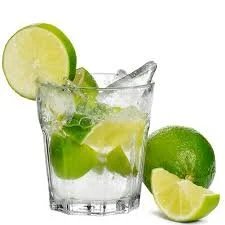
If you like lime juice…
Interesting aside -- the phrase ‘tee totalers’ comes from the 1830s Total Abstinence Society, which promoted total abstinence from alcohol. That’s why it’s spelled tee and not tea -- emphasizing the ‘T’ in total. A bit redundant but you get the point. I always assumed it was tea, for tea drinkers. And to really take you down a rabbit hole, I’m actually a coffee totaler, but that phrase doesn’t work and is never used. Until just now. Guess I’m a Ceetotaler.
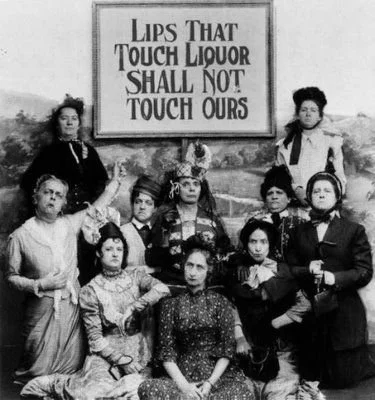
Maybe they didn’t smile back then. Or maybe they were fed up!
Back to the topic. Ti punch is a simple drink with 3 ingredients -- rhum (rhum agricole, see my June 2025 posting for more on rhum), cane syrup, and a lime peel. The cocktail must have rhum agricole to be considered ti punch. Also, the cane syrup is usually thick, and the lime peel is rough cut, meaning there’s fruit attached to the peel.
The drink became very popular on April 27th, 1848, when slavery was abolished for French territories. To be clear, it was originally outlawed in 1794, but reinstituted by Napoleon in 1802, before being permanently banned in 1848, thanks to Victor Schoelcher (see my November 2025 posting) for more about that savior.
Anyway, freed slaves used what was readily available to celebrate.
Ti punch has an earthy flavor, due to the rhum agricole. And it’s often served neat to highlight the flavor, and also because there was no ice readily available when the original drinks were mixed.
Some bars serve it in the chacun prépare sa propre mort ("each prepares their own death") style. The bartender will bring you a glass, a bottle of rhum, some cane sugar and lime, and you make it to your taste. Folks like this because they control the sweetness (and the rhum). I like the individuality of it! But the ‘prepare your own death’ phrase is sobering (see what I did there?).
The drink is more than a cocktail. To many, it symbolizes the rich history of the French Caribbean, and it captures the culture of hospitality. It’s a true French Caribbean tradition. And you’ll find it mentioned in To Catch a Traitor.
I’m gonna make it one day. But first I have to get a bottle of rhum agricole.
My World
I have a New Year’s tradition I’ve been doing for over 25 years, and each time, I learn something from it.
Each New Year, I read ‘Self-Reliance’ by Ralph Waldo Emerson. I think it was originally written in 1841, and it’s a remarkable reflection on the power of individualism, trusting yourself, and avoiding conformity. Some might find the language challenging as it was written in another time, but the individual messages and overall impact is fantastic.
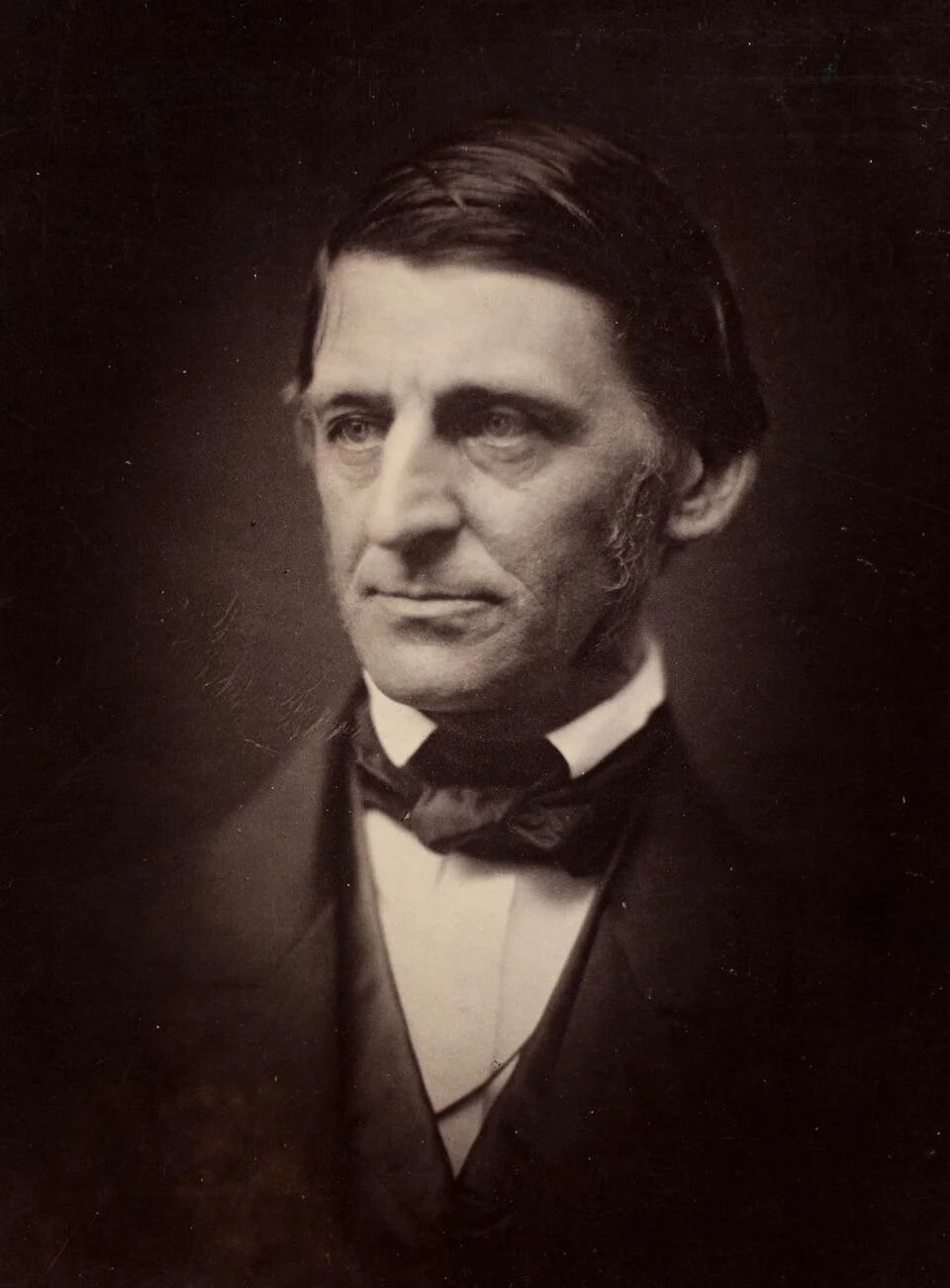
Didn’t know they had cameras back then
When I first read Self-Reliance, it resonated with me to a degree I’m just now understanding. And not just me; the thinking in the essay became some of the foundational elements of Transcendental Philosophy.
This was my first year reading it as a published author, and what really stuck with me was “The only person you are destined to become is the person you decide to be.” For me, the word ‘decide’ makes the quote.
Here’s another Ralph quote that hit me this year:

True for anyone
But my all-time favorite quote is actually the last line -- "Nothing can bring you peace but yourself. Nothing can bring you peace but the triumph of principles."
There are also observations about travel, religion, etc., but I don’t focus on them. I focus on what grabs me, and I think that’s the point of the whole self-reliance thing.
Give it a read if you want; it has something for everyone.