So Where Do I Stand?
When We Last Heard…
Last month, I shared the status of my latest manuscript; it was being evaluated by the Acquisition Committee at the imprint that published my first novel.
Then a curveball came!
Not a Strikeout!
PS: My first novel, To Catch a Spy, can be ordered from Amazon and Barnes & Noble.
What are Imprints?
Before I reveal the big plot twist in my publishing journey, I need to explain a few things…
Most books fit into a genre. Publishers often bring genres of books -- mystery/thriller, romance, young adult, nonfiction, business, children’s, biography, literary fiction, fantasy, horror -- to market through different imprints they own.
Each imprint specializes in a type of writing; the employees attached to an imprint become experts in that genre. Alternatively, the imprint may specialize in a territory, and sometimes territories have their own imprints.
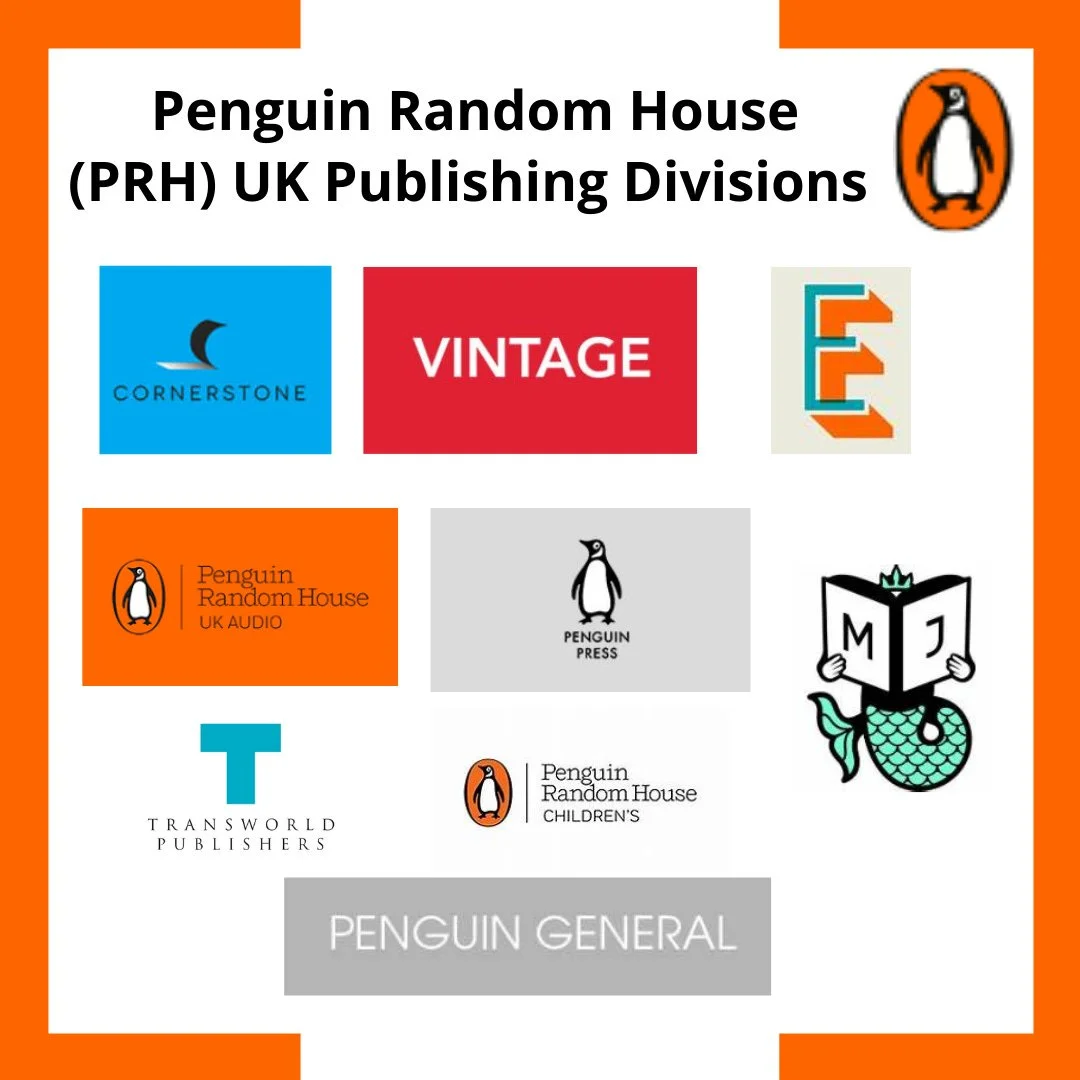
Some PRH Territorial Imprints
Bottom line, publishers have lots of imprints. At least one company has about a hundred. Yea, it gets out of hand…
But it makes sense; editing and publicizing a horror novel is very different from doing the same for a children’s book. Conceptually, it’s the same. Operationally, it’s night and day. Or day and night, depending on when you’re reading this.
So What Happened?
I reported that my latest manuscript was being evaluated by the Acquisition Committee at the imprint that published my first book.
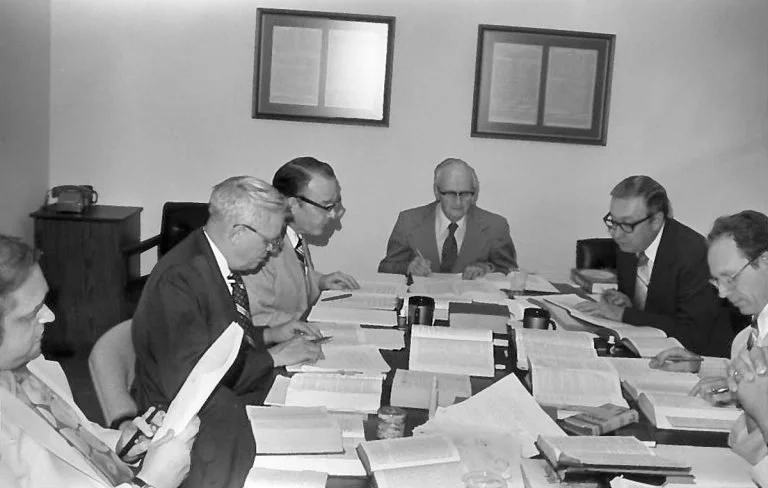
Classic Picture of a Publisher’s Acquisition Committee
So how did it go?
Really well. I think.
The reason I write ‘I think’ is because of the following -- that committee liked my work but thought it belonged with a different imprint at that publisher. So the Acquisition document (including Profit & Loss estimates) was sent over to the new imprint, where it is currently being evaluated.
What do I think of all this?
The Pros: That new imprint is big! In fact, it’s their flagship. They also have more resources to put behind their books, and that includes publicity, which is key.
The Cons: I don’t know anyone there. No one. If they acquire it, and that’s a big if, I’ll have to work with a new editor. Just so you know, I LOVE my prior editor. She really understands me and my writing, and she has a lot of faith in me. Also, there will be new marketing and publicity folks.
Now that I think about it, if they go forward with my manuscript, I’d have to forge new relationships. I’ll also learn new editing techniques as well as marketing strategies and tactics. Add that to my own prior learnings and the cons feel pretty good.
Ernest Hemingway’s classic, The Sun Also Rises, was famously rejected by a publisher. In passing on the manuscript, the man found it ‘tedious and offensive.’ He then went on to say, “Your bombastic, dipsomaniac, where-to-now characters had me reaching for my own glass of brandy.” Luckily, another publisher picked it up; the book became an immediate success, launching the young author into fame and celebrity status.

What Was that Publisher Thinking?
In other words, it happens to lots of writers.
As I wrote in my prior posting, I’m not concerned if the publisher passes. I think my manuscript is fantastic, and even though I’m biased, I know good things will happen.
Not Hemingway-level good things, but a guy can dream…
Acquisition Committees
So what are these groups that decide an author’s fate? Let’s have a look at a typical committee…
The Managing Director is the main person, usually the leader of the imprint. They are the ultimate decision-maker and decide if the book would be a good fit for what they have planned. Will it be appropriate for their lineup? Does it align with what they’ve done in the past?
The Editorial Director is the advocate of the book. They pitch the others and go to bat for the author and the work.
The Sales Executive provides the reality check for the market. They analyze expected retailer appetite for the book, they pressure-test the estimated sales volume, and they look at comparative titles.
The Marketing/PR Director evaluates the audience. They look at things like marketing potential, promotional channels to tap into, and they judge the author’s platform (like this newsletter).
The Subsidiary Rights Manager considers things like possible audio sales, foreign rights value, and the feasibility of film/TV rights.
The Production Manager looks at page counts, production costs, and release timelines.
At the end of the review, the committee says one of three things: 1) Approve, 2) Reject, or 3) Need More Information.
When I think about this, I’m stunned that my first book ever got published. There are so many people weighing in and debating, and lots of chances to say REJECT.
But you know the saying -- if it was easy, everyone would do it.
You Get the Idea…